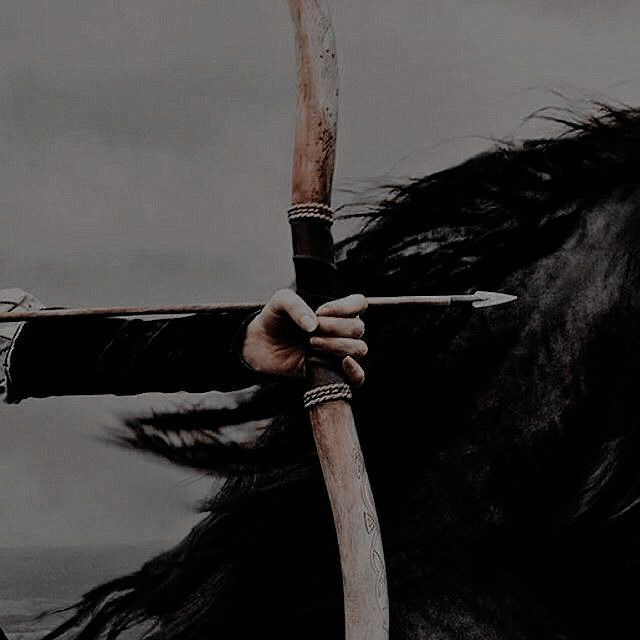
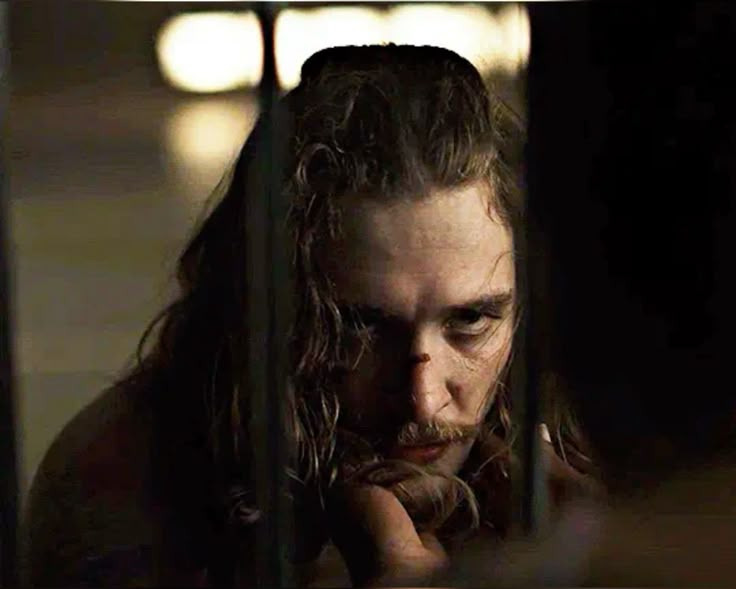
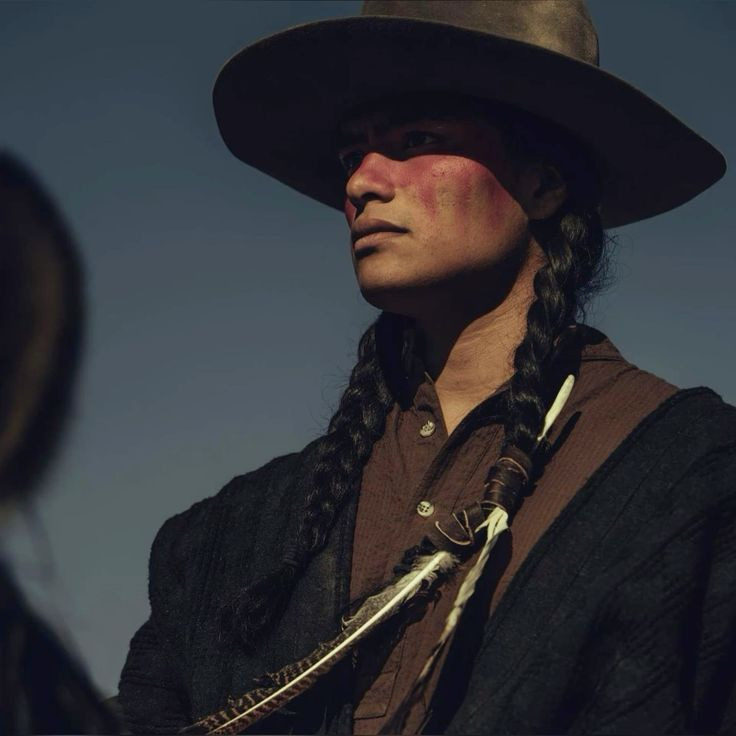
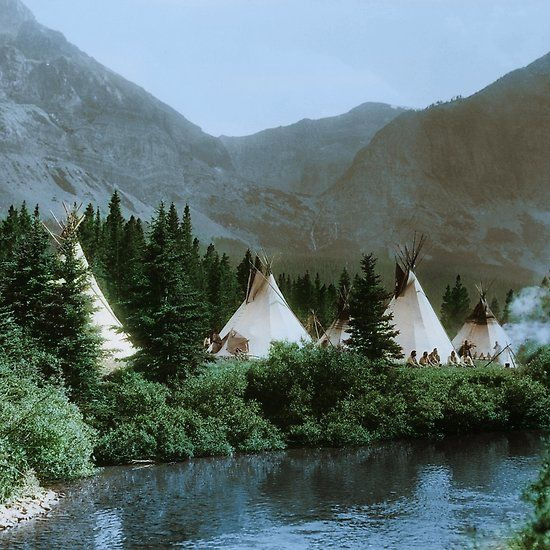
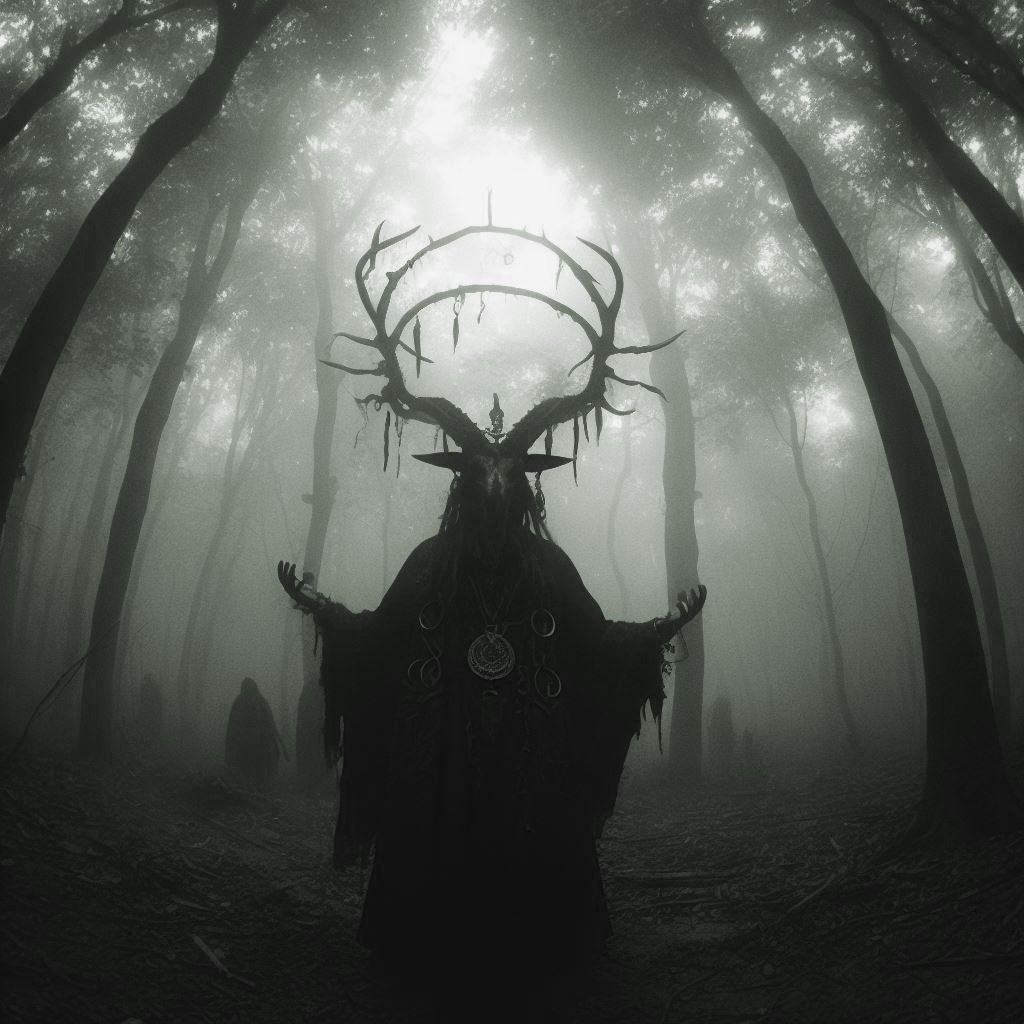
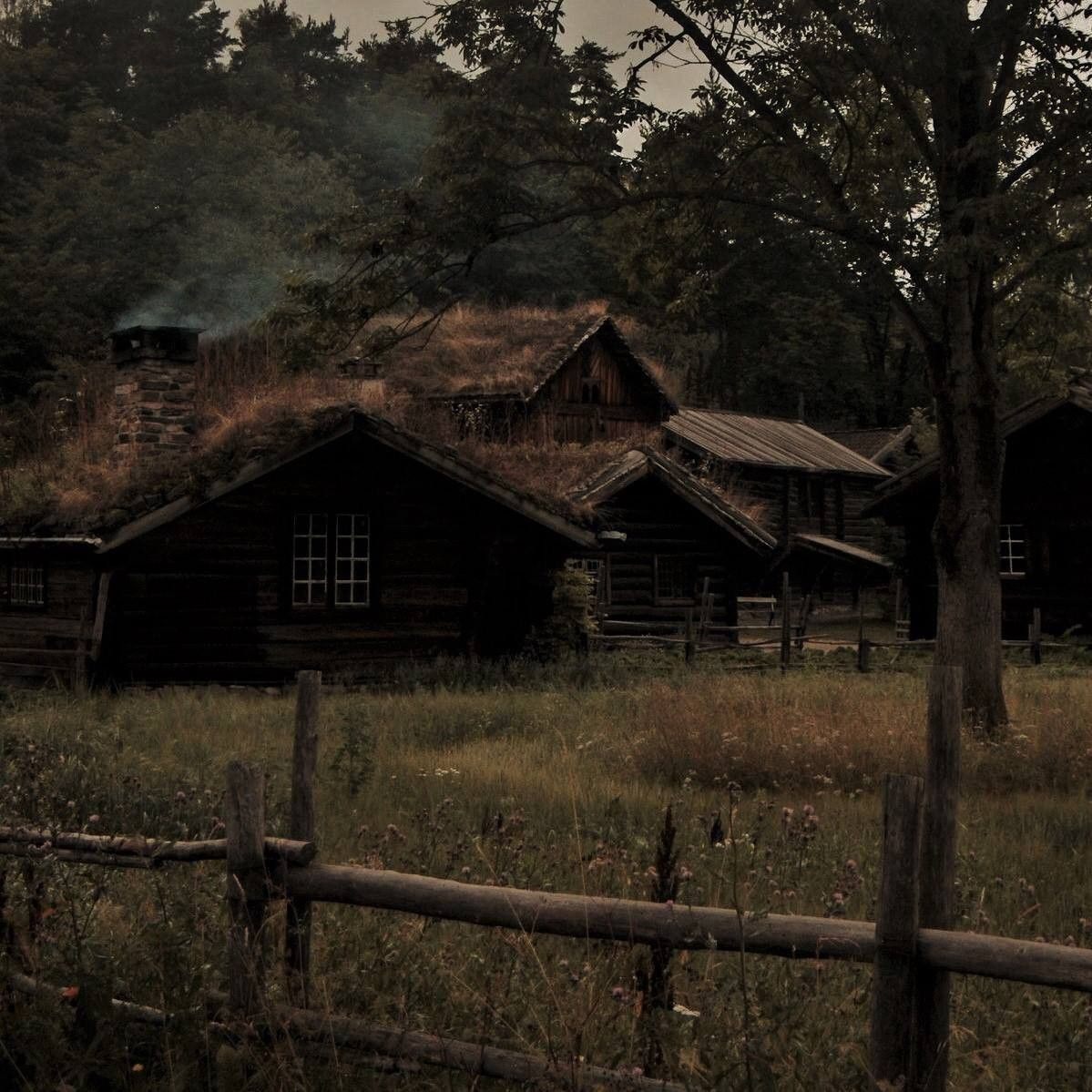
From 'The Hunger Games', Pinterest
![]()

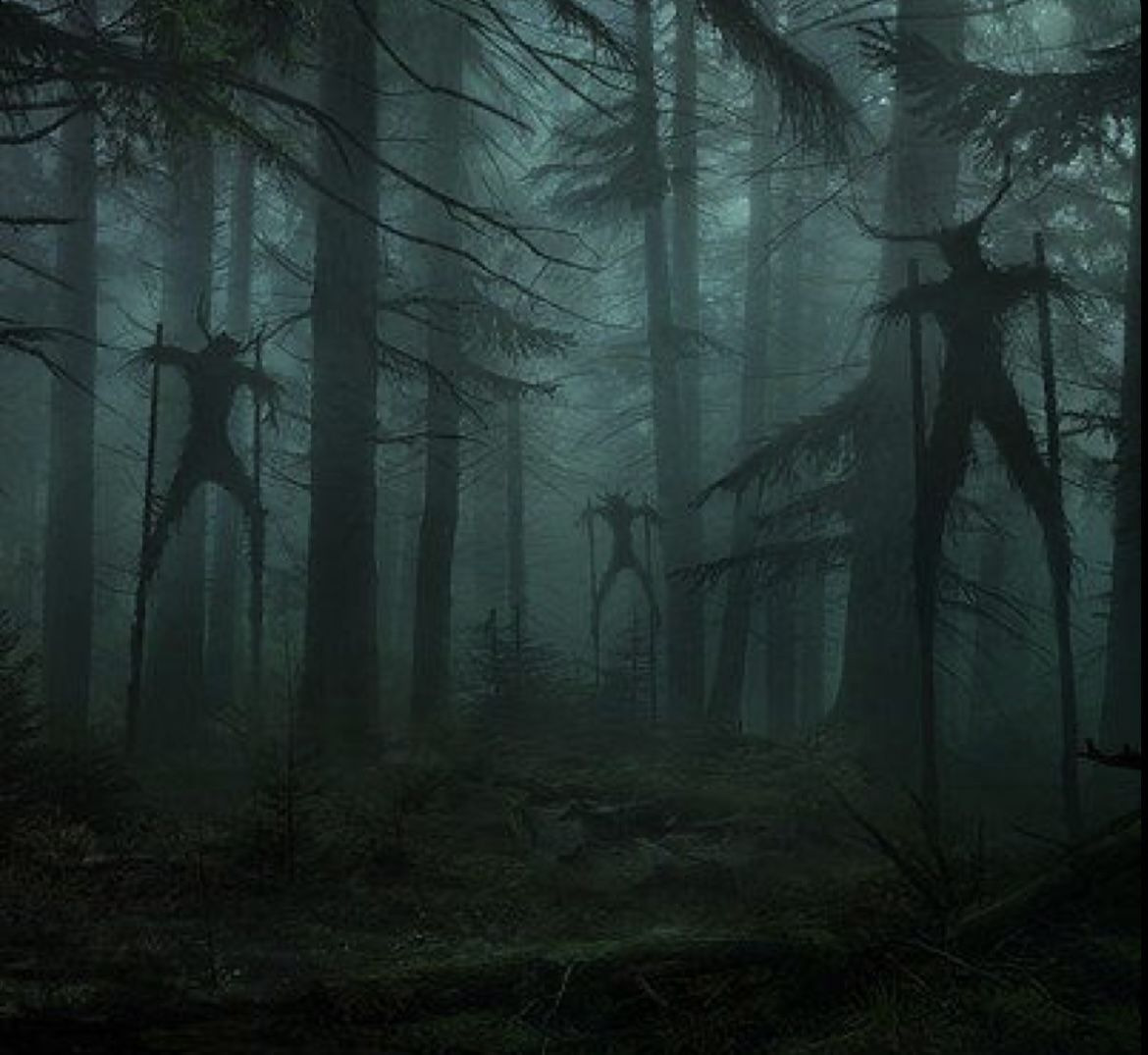
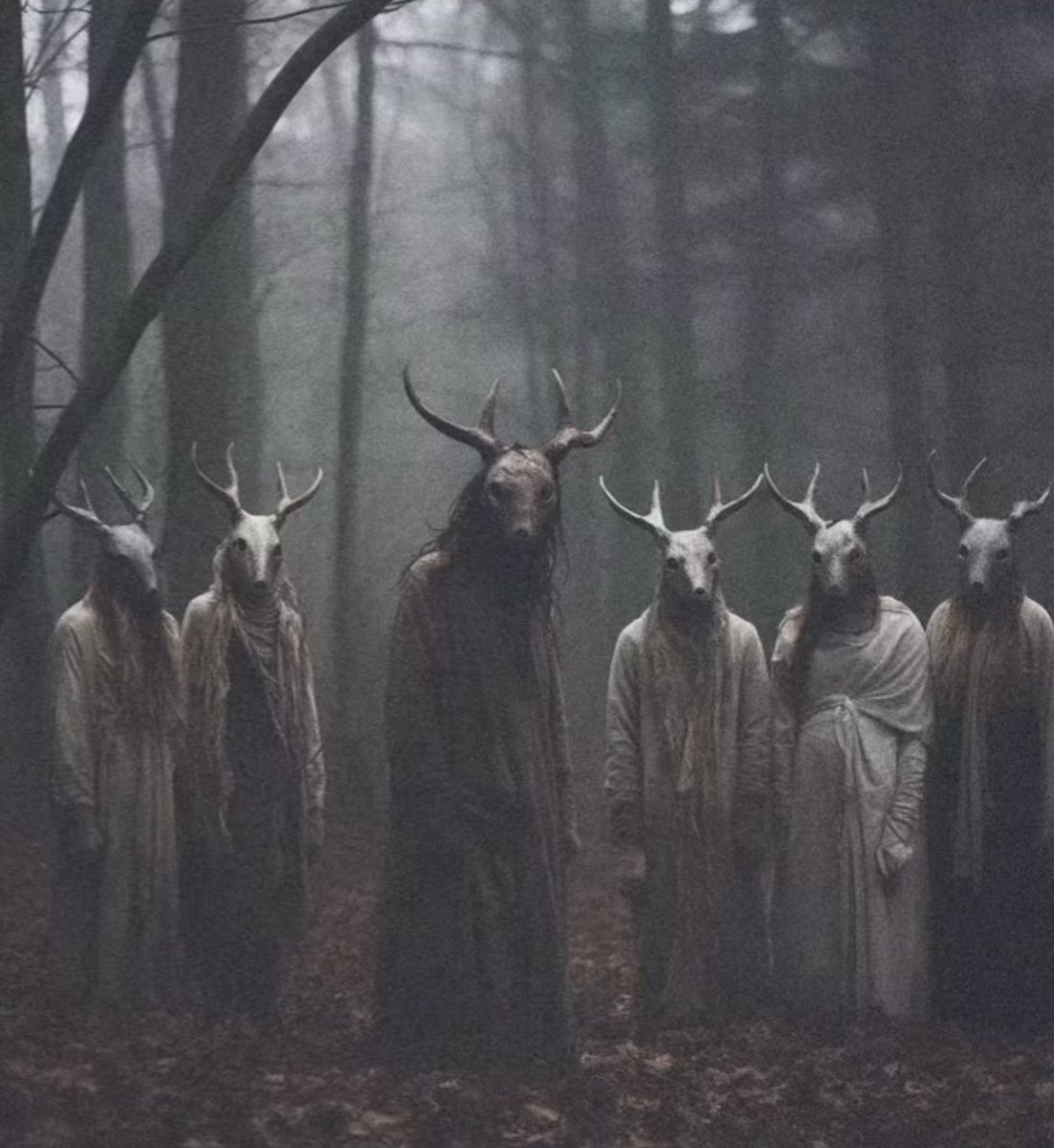
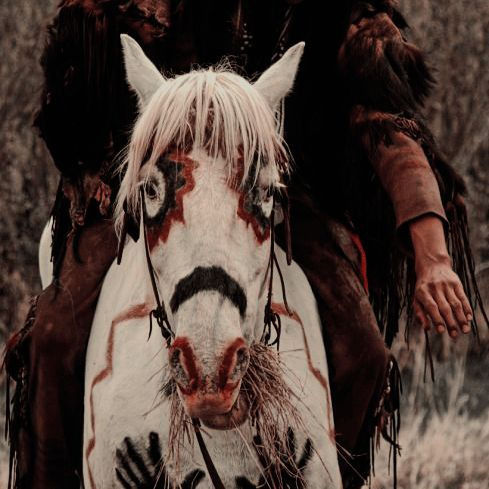
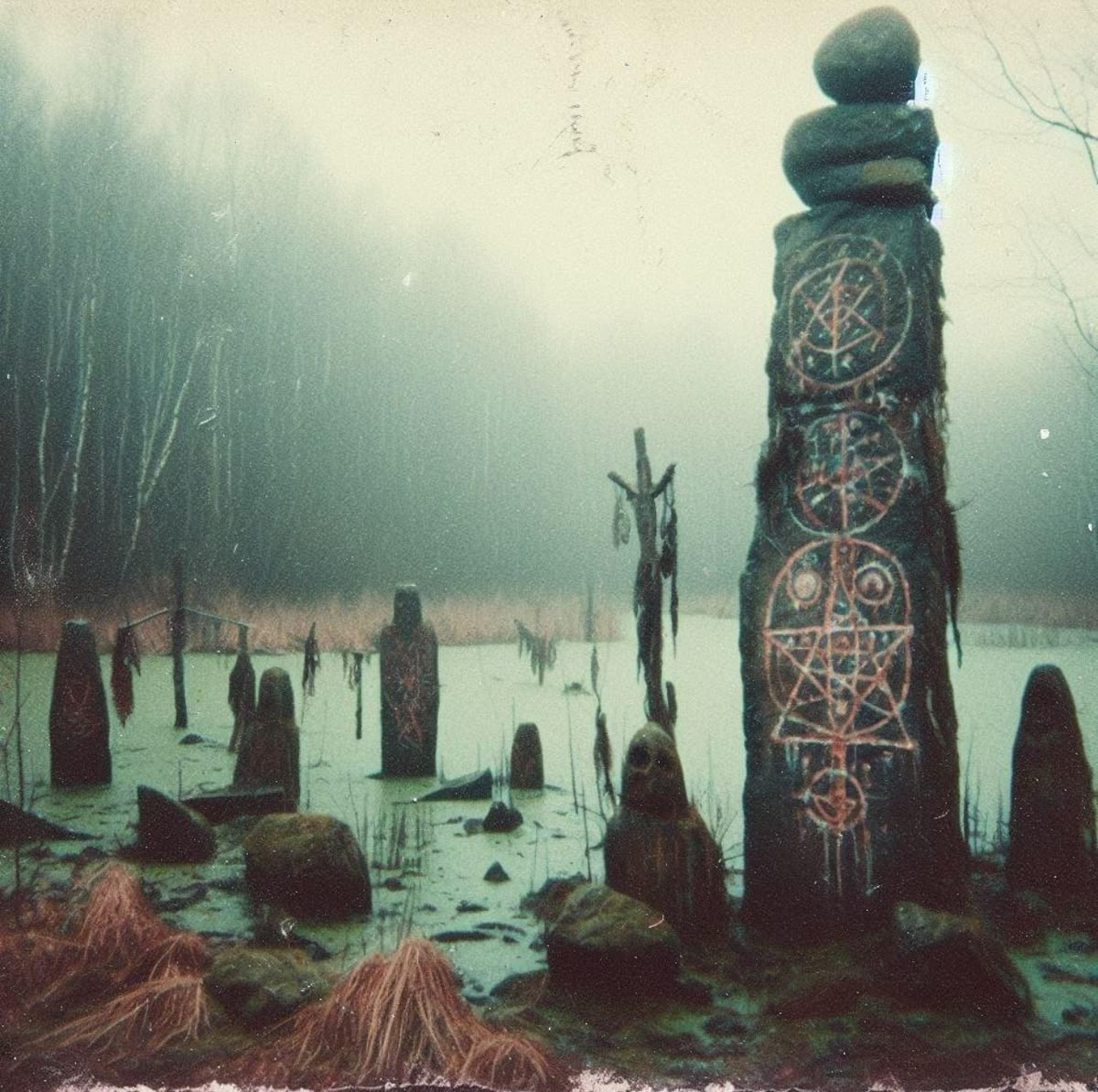
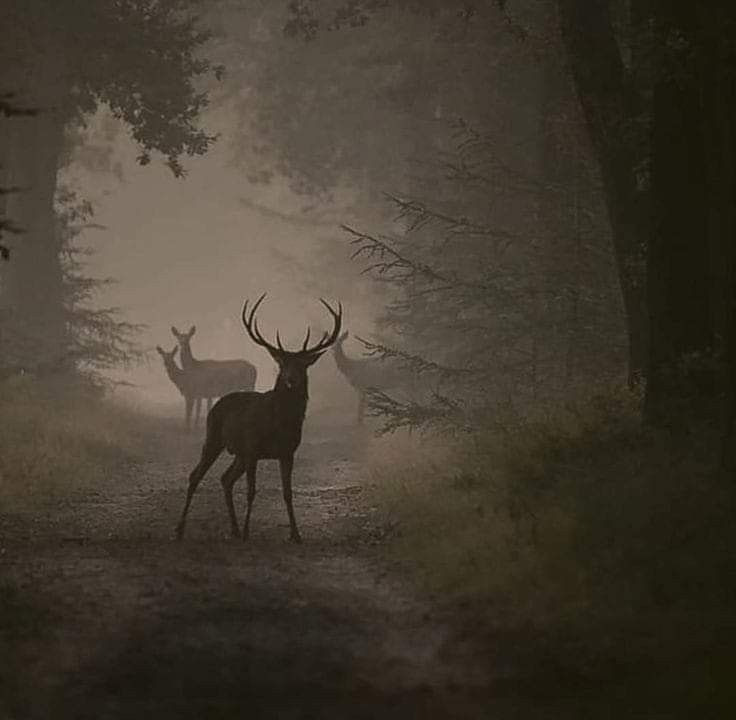
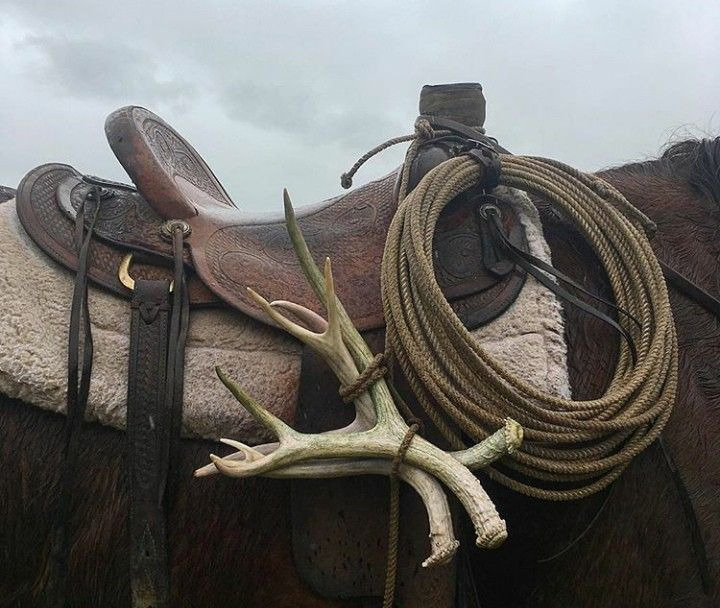
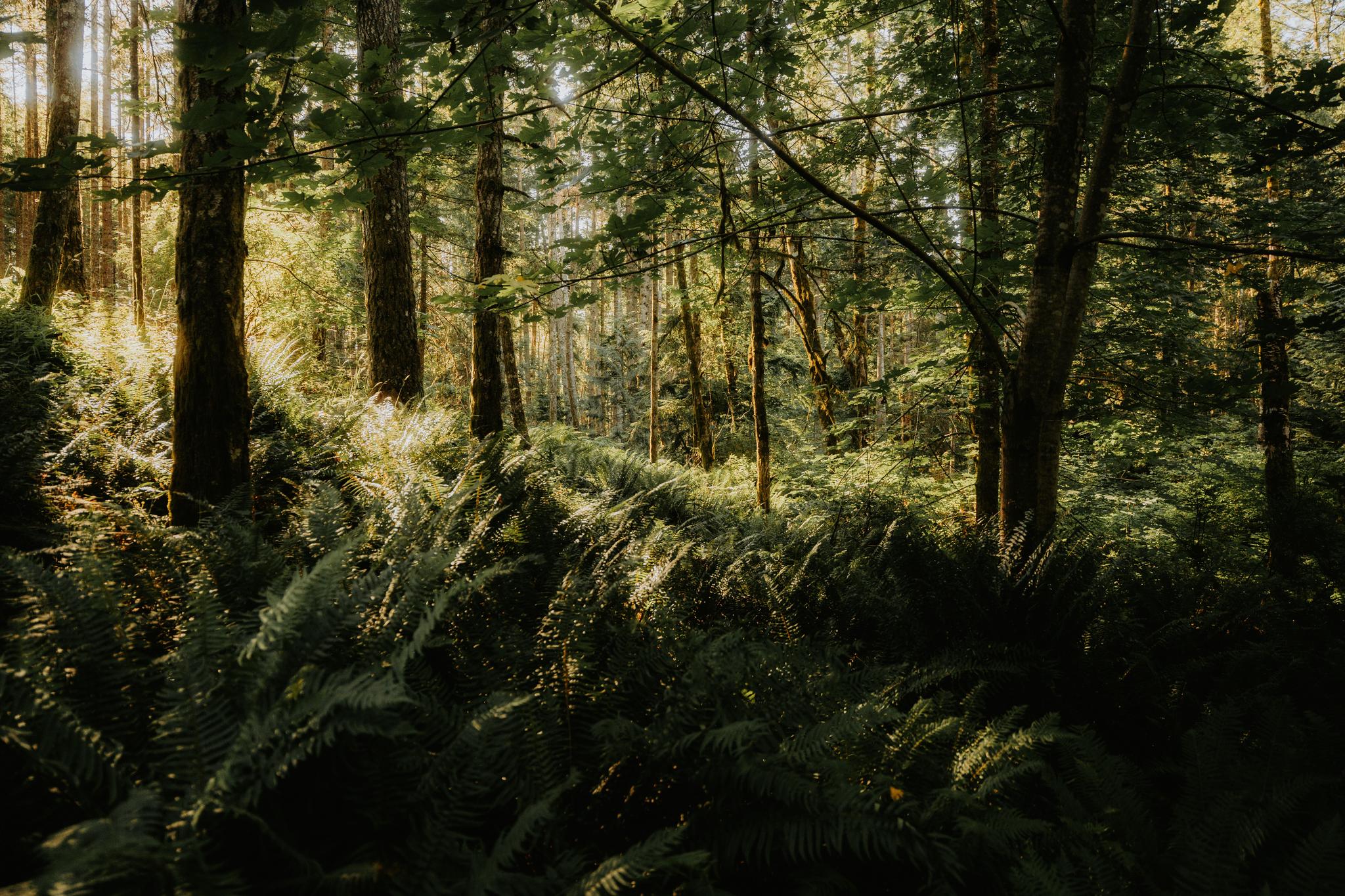
Somewhere between Horizon's scale, Tomb Raider's ruins, and God of War's mythic weight, there's a game I've wanted to exist for years - something soaked in Appalachian and Native folklore, thick with atmosphere, built around a horse you actually love and a world that genuinely believes in its own magic. When my dissertation gave me the freedom to design something instead of just writing about it, I knew exactly what I wanted to build.
N'koa has spent her life on her grandparents' ranch, raised in the shadow of a tragedy she doesn't fully understand. When an unknown evil tears through everything she thought she knew, she's forced into the dark Appalachian forest beyond - and, with her horse at her side, into a world of cryptic allies, sacred ground, and a tribe she never knew was hers. To be accepted by her mother's people, she has to prove herself. To survive what's hunting them, she has to master a power she doesn't yet understand.
This project let me build the things I care most about as a writer - dialogue that reveals character under pressure, a spiritual power system (Spirit Sight) tied directly to narrative stakes rather than just mechanics, and a found-family cast where every relationship (a grandfather's quiet devotion, a father-figure's guilt, a chief's grief) carries its own emotional throughline. Writing Spirit Sight specifically meant treating a game mechanic as a storytelling tool - what N'koa can see, and what it costs her to see it, needed to mean something
This was the first dissertation of its kind at my university - everyone else in my cohort wrote a TV pilot or film script; I chose to write and design an entire game narrative instead. The format came with a hard constraint: 90 pages, and games writing convention holds that one script page equals roughly one minute of screen time. Ninety minutes to establish a world, a mythology, a cast, and a character arc that usually gets 10+ hours to breathe. It's the reason the script tightens - and occasionally rushes - toward its final act. The game is not finished. But I don't think it's a flaw to hide; I think it's proof I can build a real narrative structure under real constraints, even ones that would break most linear scripts entirely.
What follows: the original pitch deck, and the script itself.